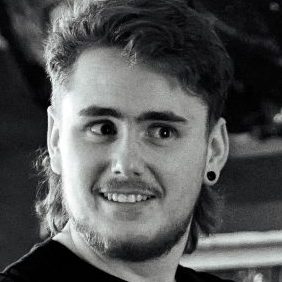
The Marina
Runtime: 15:14
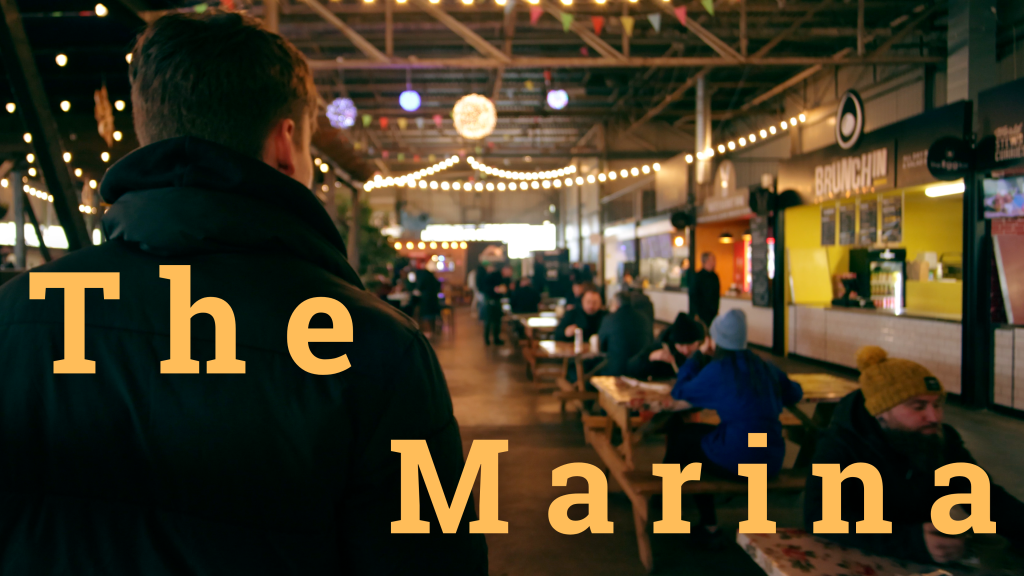
The Marina is a short documentary that follows producer Kieran Sullivan as he investigates the significance of The Marina Market to the people of Cork City, Ireland.

During my second year of studying Film and Screen Media at University College Cork, myself and a few class mates of mine created a short documentary about The Marina Market, with myself having served as its director, cinematographer and editor.
Whilst in the pre-production stage, I developed the documentary’s premise by drawing on Bill Nichol’s six modes of documentary filmmaking; poetic, expository, participatory, observational, reflexive and performative
In deciding which mode to utilise, I selected the participatory mode as I wished to immerse the audience in the atmosphere of the market, with Nichols describing this mode as offering audiences a “visceral feel for what life in a given context is like” (Nichols 115).
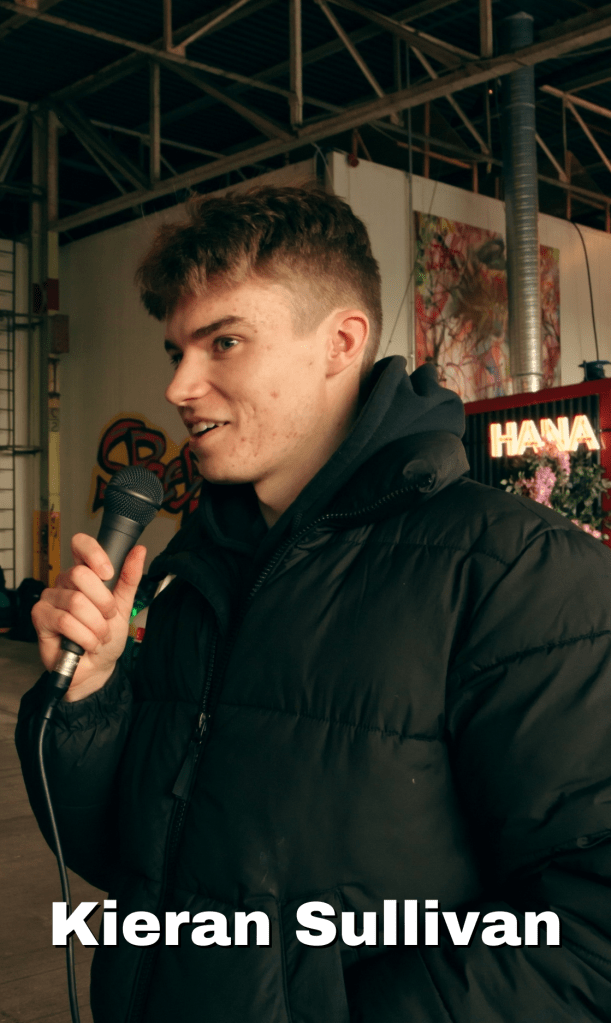
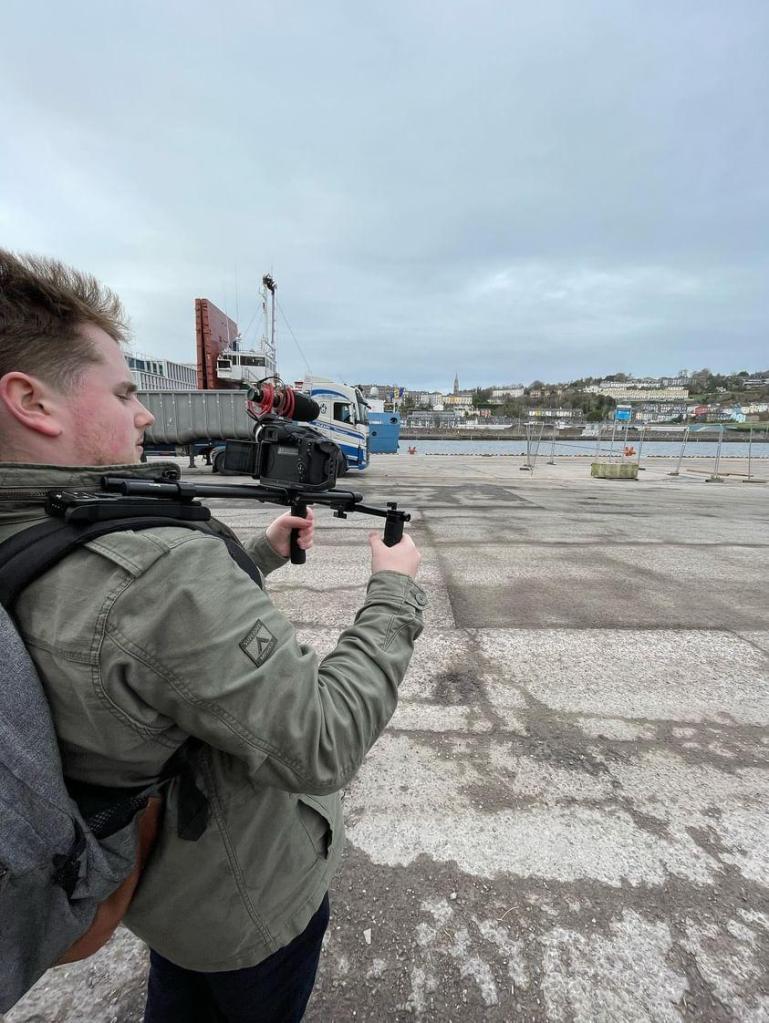
Consequently, to ensure cohesion across the documentary, I designated our producer, Kieran Sullivan, as the ‘connective tissue’, with us interacting with the market mainly his perspective, akin to the participatory documentaries by Louis Theroux.
Despite primarily utilising the participatory mode, I also recognised that for the story I wanted to tell that I would need to incorporate other modes. Hence, I decided to integrate the observational mode for b-roll footage and the poetic mode for the mural montage, with myself having drawn inspiration from films akin to Paul Strand’s Manhatta for the latter mode.
In addition to this, I employed the reflexive mode at the beginning of our interview with Eoin Derham and for the ending sequence, as I wanted to draw attention to the practise of filmmaking itself in these parts which aligns with the premise that I had outlined in our documentary prep sheet.

In taking inspiration from Errol Morris’s reflexive documentary The Thin Blue Line, I transposed his use of re-enactments for the ‘realistic’ elements in our documentary as seen with the crew putting the filming equipment into the boot towards it’s ending.
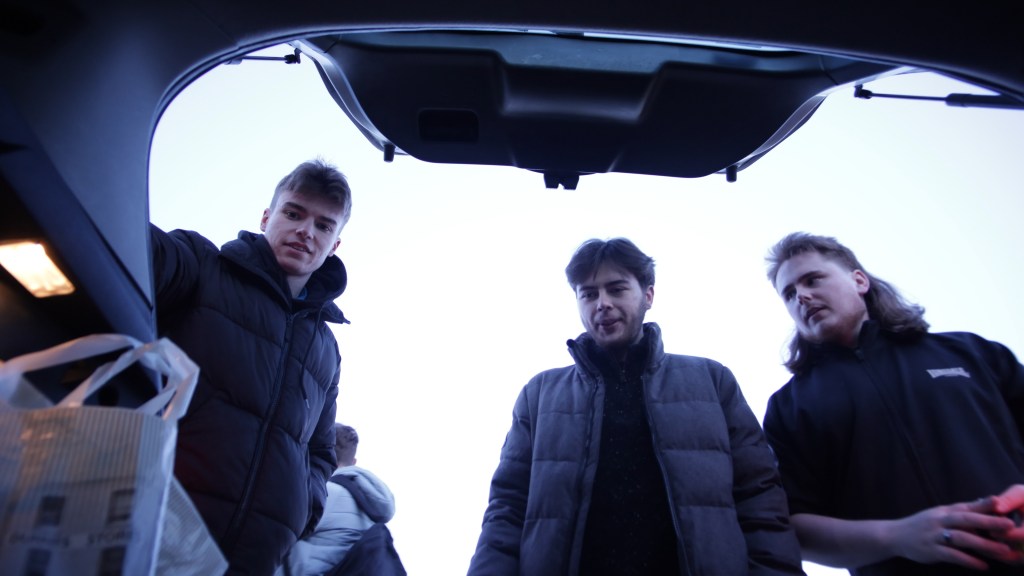
To visually distinguish between the ‘realistic’ and the ‘constructed’ elements in the documentary, I decided that we would use differing aspect ratios for each, 1.78:1 for the ‘realistic’ segments and Vittorio Storaro’s Univisium ratio of 2:1 for a more cinematic look in the ‘constructed’ segments.
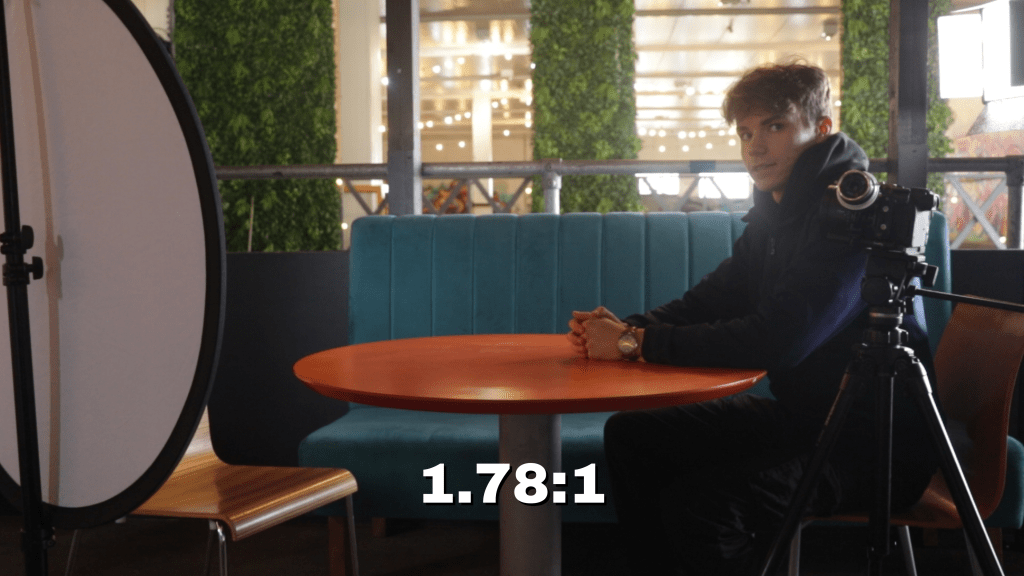
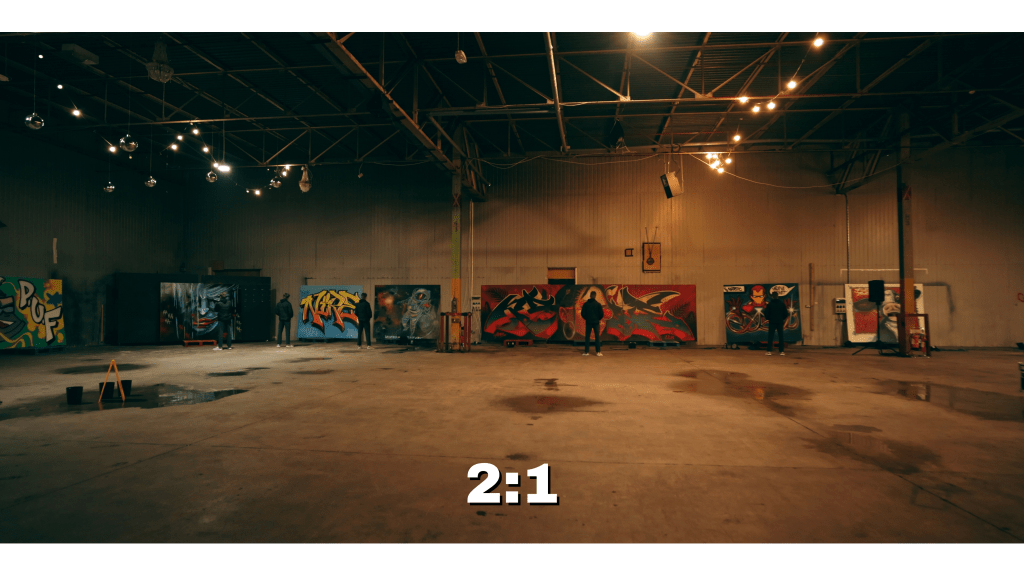
In conclusion, shooting this short documentary was an insightful peek into the work that documentarians do. It was a tremendous learning process, and I really feel that I learned so much as filmmaker from having made it.
“The footage and camera skills on display is excellent. The pacing and editing is really great. There is a high level of filmmaking ability in the short”
Daniel O’Connell
(Film and Screen Media lecturer at UCC)
The Marina: Montage Cut
Below is a three minute montage assignment, comprising of both final cut footage and unused material.
Higlights from The Marina’s screening at
The People’s Picturehouse Cork


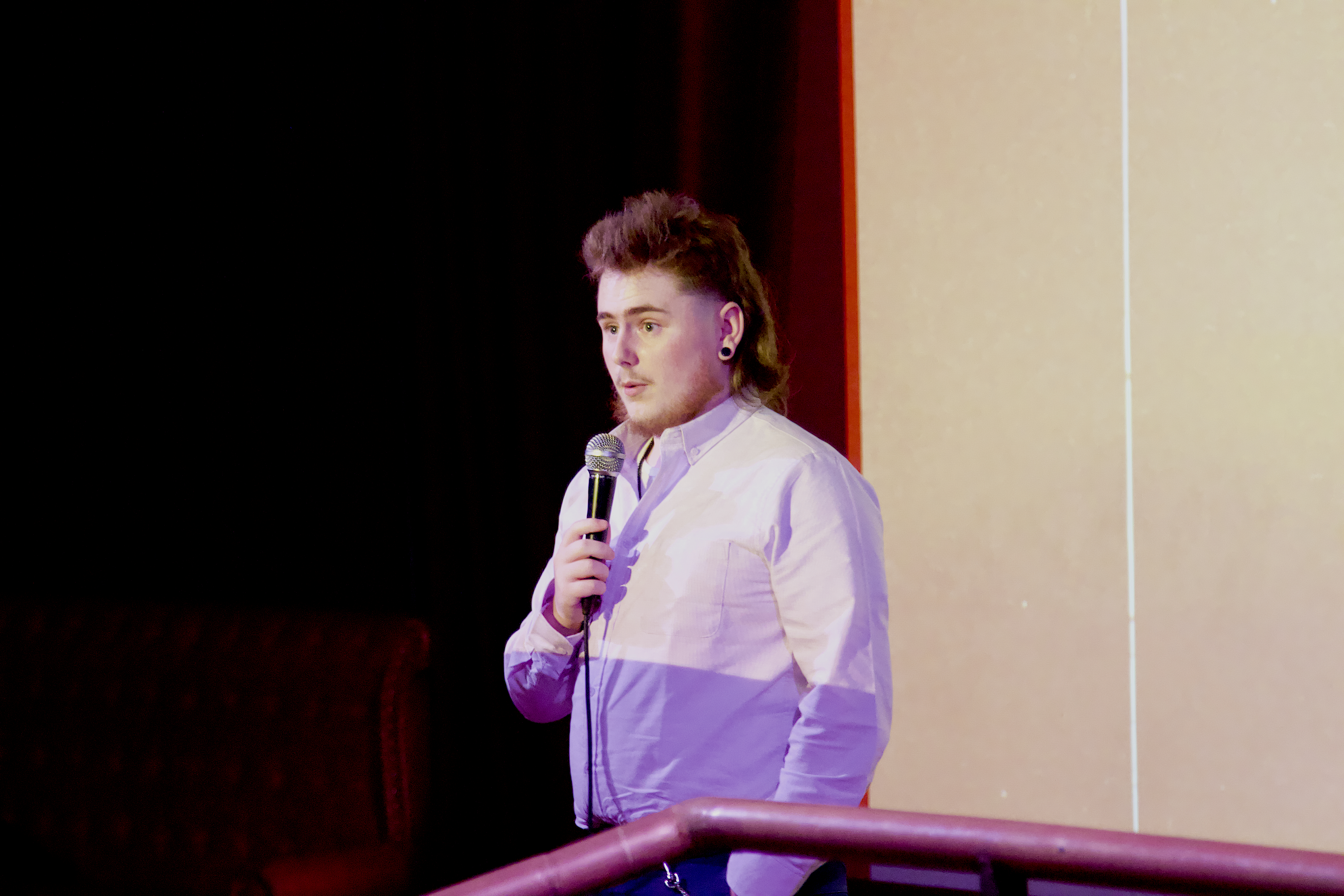

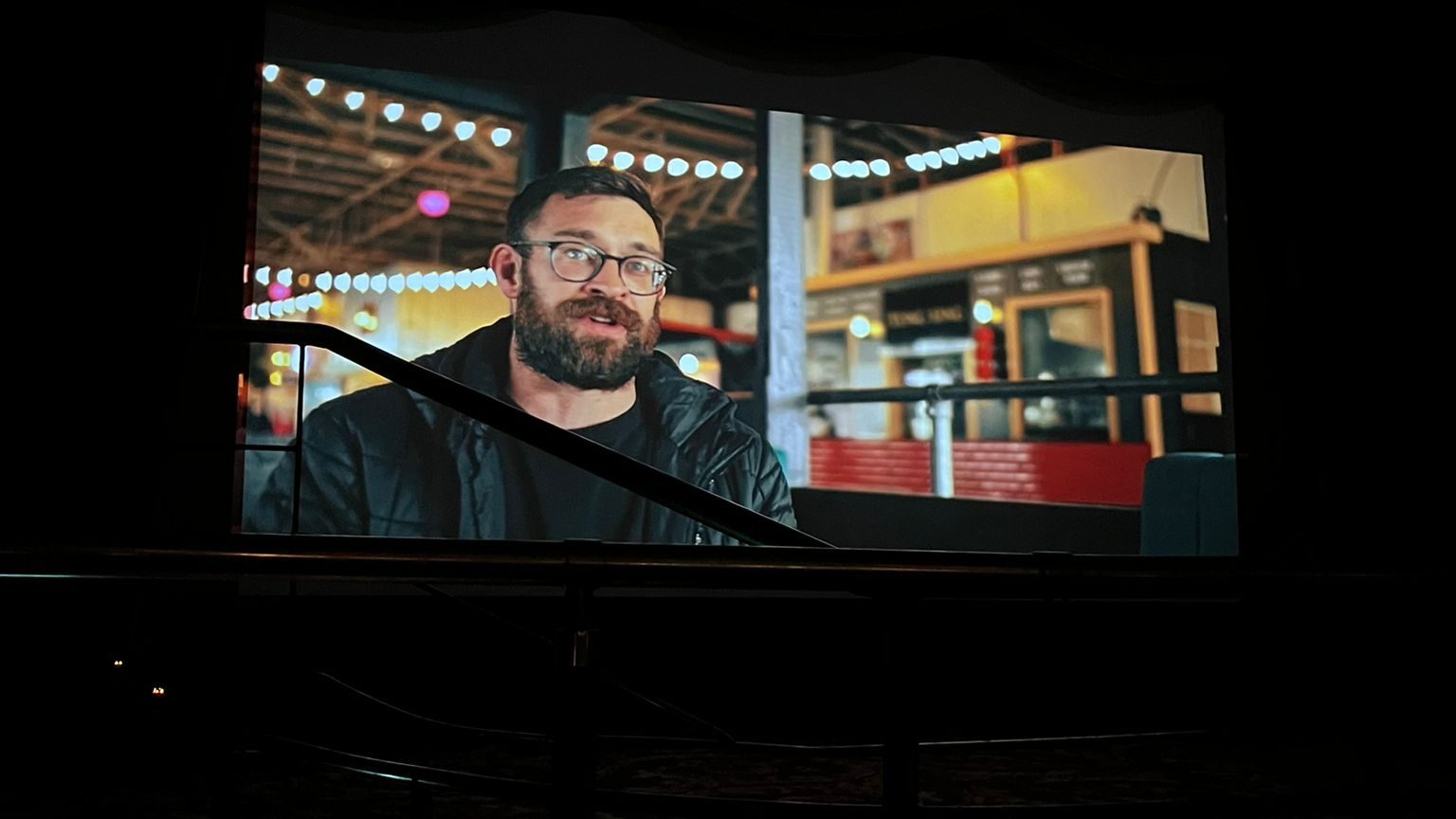
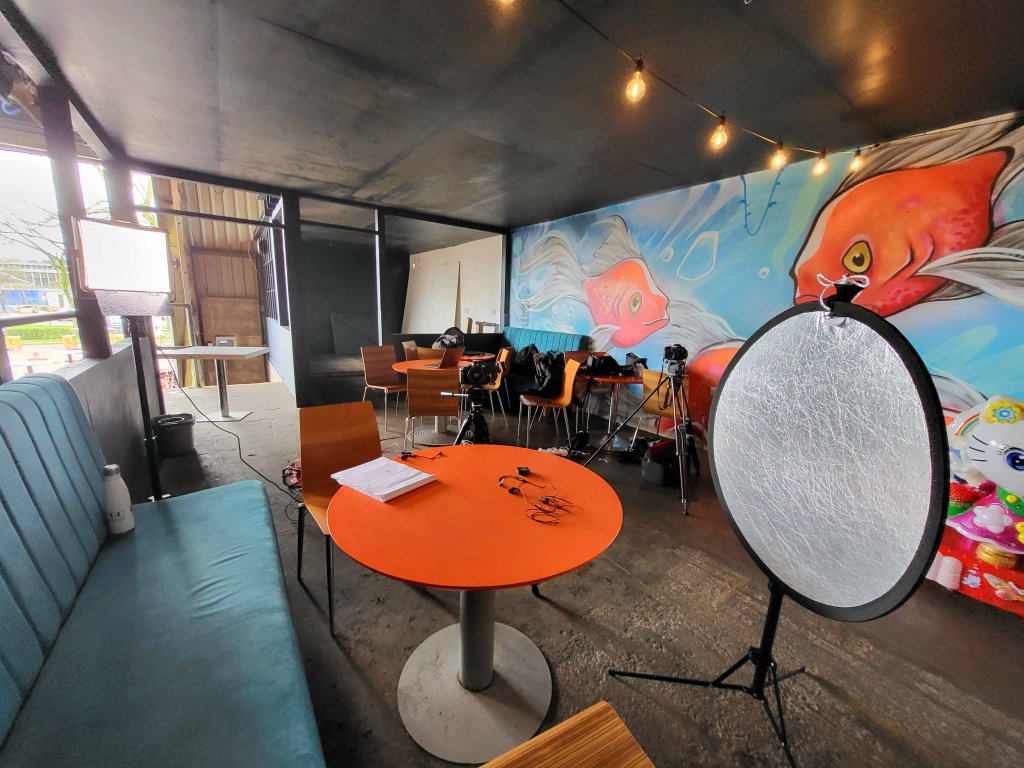
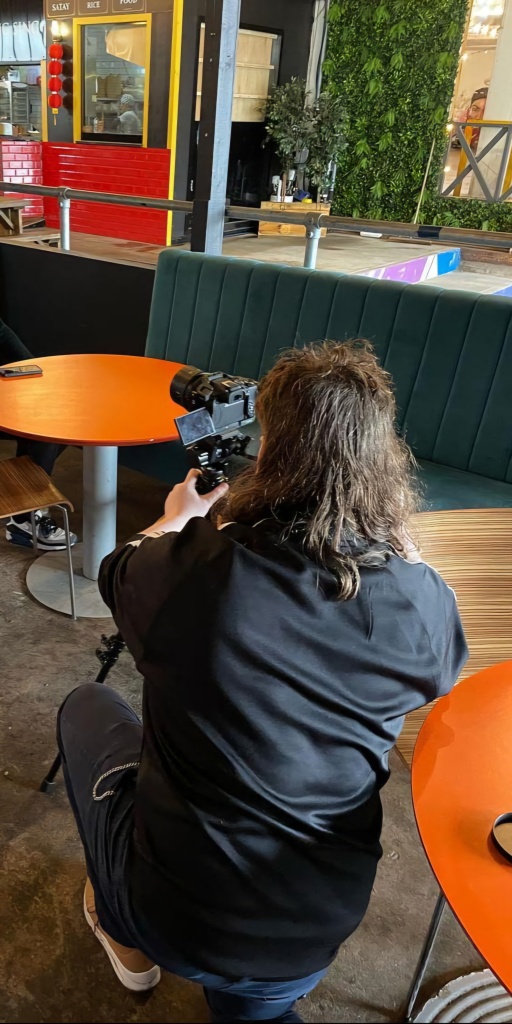
Behind the scenes



 Seán Leahy's Cinematic Portfolio